News Story
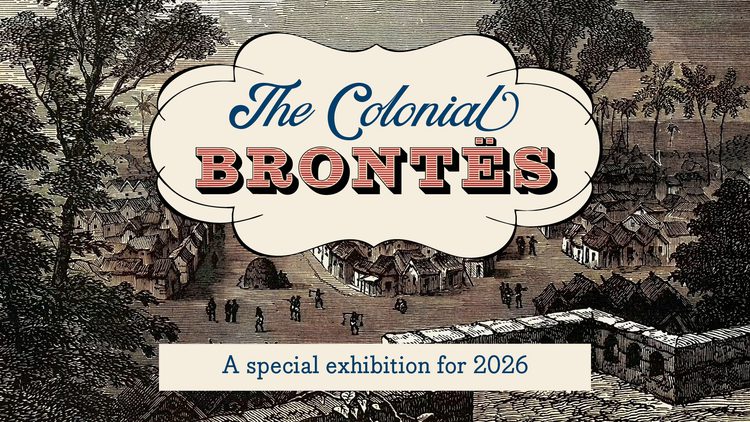
The influence of British colonialism on the literary family and their work is examined in a new exhibition, The Colonial Brontës, which will run from 4 February 2026 – 1 January 2027 at the Brontë Parsonage Museum.
The Colonial Brontës is co-curated by Professor Corinne Fowler, Honorary Professor of Colonialism and Heritage at University of Leicester and Brontë Parsonage Museum curators. The exhibition examines the period of exploration, conquest and intercultural encounters of the late 18th and early 19th centuries and shows the extent to which the Brontë siblings were fascinated by colonial military campaigns and British missionary activity.
Professor Corinne Fowler said: “The Brontë children were avid readers and their literary imaginations were fired up by what they learned about British colonial activity in Africa and India. This exhibition reveals that the young Brontës fictionalised real-life colonial battles, British explorers, missionaries and Asante warriors. It identifies their source material and traces the influence of empire writing into their mature works, particularly ‘Jane Eyre' and ‘Wuthering Heights’.”
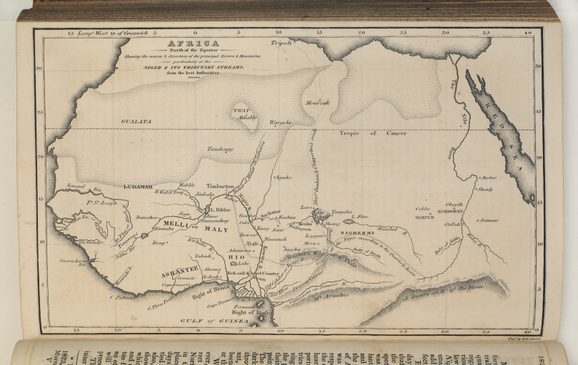
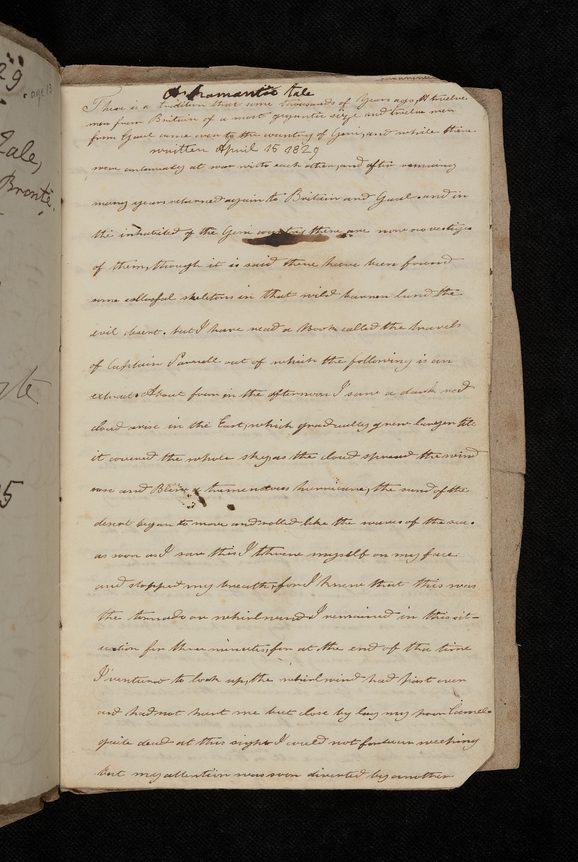
In 1826, Charlotte (then aged 10), Branwell (9), Emily (8) and Anne (6) invented their own colonies, collectively called the Glass Town Federation. They used this imaginary world as a setting for their stories, poems and plays creating characters based on their toy soldiers. This ‘kingdom’ was inspired by the real-life Asante Empire in West Africa, an area regularly in the news of the day. Their juvenile writings clearly show that the children engaged with news and current affairs, and these colonial fantasies inspired important characters in Charlotte and Emily’s adult writing, including St John Rivers, the missionary in Jane Eyre and Heathcliff, the Wuthering Heights anti-hero.
Ann Dinsdale, Principal Curator at the Brontë Parsonage Museum, said: “This exhibition shows how these young Yorkshire children interpreted world news, incorporating it into their play and later, into their adult writings. That they were able to look critically at global events gave them a world view that was ahead of its time, just one of the building blocks that makes their writing still so relevant and inspiring two centuries on.”
Rebecca Yorke, Director of the Brontë Parsonage Museum added: “We are delighted that Professor Corinne Fowler accepted our invitation to co-curate this exhibition with us. Academics and readers alike have long discussed the influence of colonial Britain on the Brontës’ lives and works, particularly in relation to the story of Heathcliff, and with a new film adaptation of Wuthering Heights about to be released, it’s a fitting time to explore the connections between what the Brontës read and what they wrote.”
You may also like…
Meet the Brontë Society's new trustees
23 June 2026We are delighted to announce that following an extremely successful recruitment campaign, attracting almost forty…
Literary Sisters: International Opportunity for Developing Women Writers
24 April 2026The Brontë Parsonage Museum and Writers Project of Ghana are thrilled to offer an opportunity for four women writers to…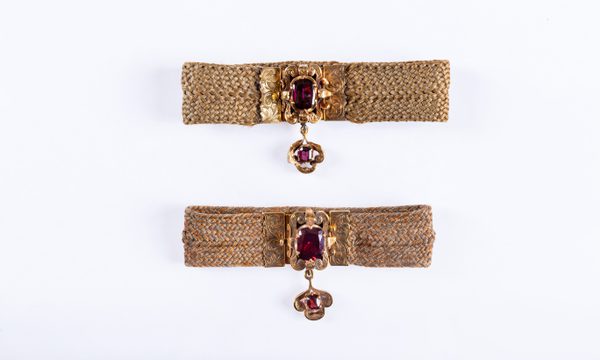
Margot Robbie wears custom Dilara Findikoglu dress, inspired by Charlotte Brontë’s bracelet
6 February 2026Last night at the London premiere of “Wuthering Heights” Oscar-nominated actress and producer Margot Robbie walked the…